Published January 6, 2026 04:00AM
If you buy through our links, we may earn an affiliate commission. This supports our mission to get more people active and outside.Learn about Outside Online's affiliate link policy
The 9 Best Gloves for Every Type of Climbing
Through extensive testing on three continents and in wildly varying conditions, I’ve identified the 10 pairs I always reach for.
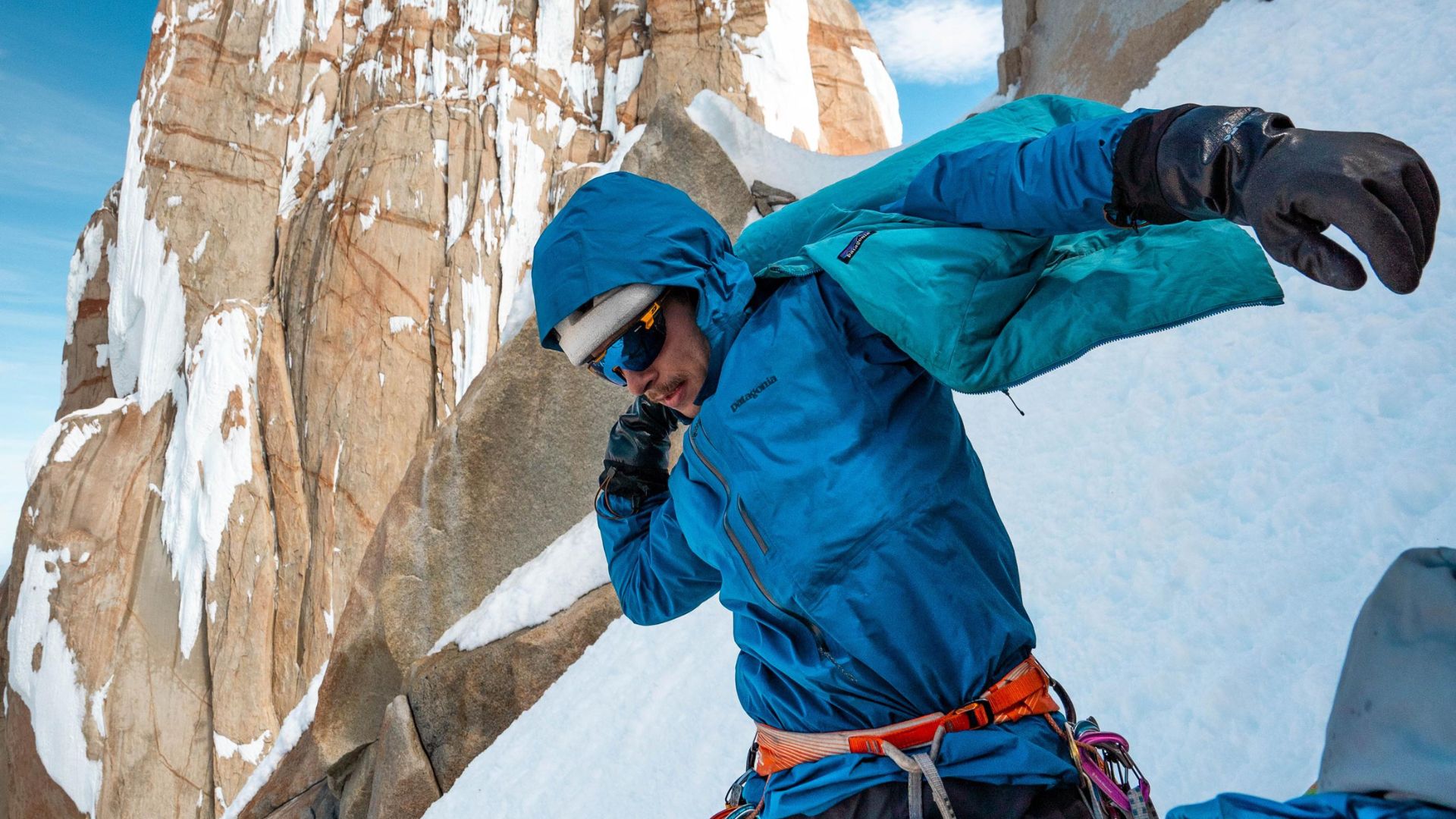
The author readies for an all-night descent down Torre Egger, Patagonia, wearing the Showa Temres. (Photo: Bauti Gregorini)
Table of Contents
Ice, mixed, cracks, or cragging—no matter the terrain, a good pair of climbing gloves is key to making the most of your day. Ice and mixed climbers prioritize waterproofness as well as warmth, while rock climbers focus on durability while belaying and rappelling. Crack climbers benefit from specialty gloves, too.
Over the years, I’ve become something of a glove fanatic—especially in alpine terrain, where you may call on the same pair to crimp rocky edges, pull through dripping ice pillars, and rappel through the night. Through my extensive testing in three continents and in wildly varying conditions (-40 temps, howling winds, 5.13 cracks, vertical rime ice, and 1,000-meter rappel descents) I’ve identified the pairs I am always reaching for. That’s what you see below: the 9 best climbing gloves for every style.
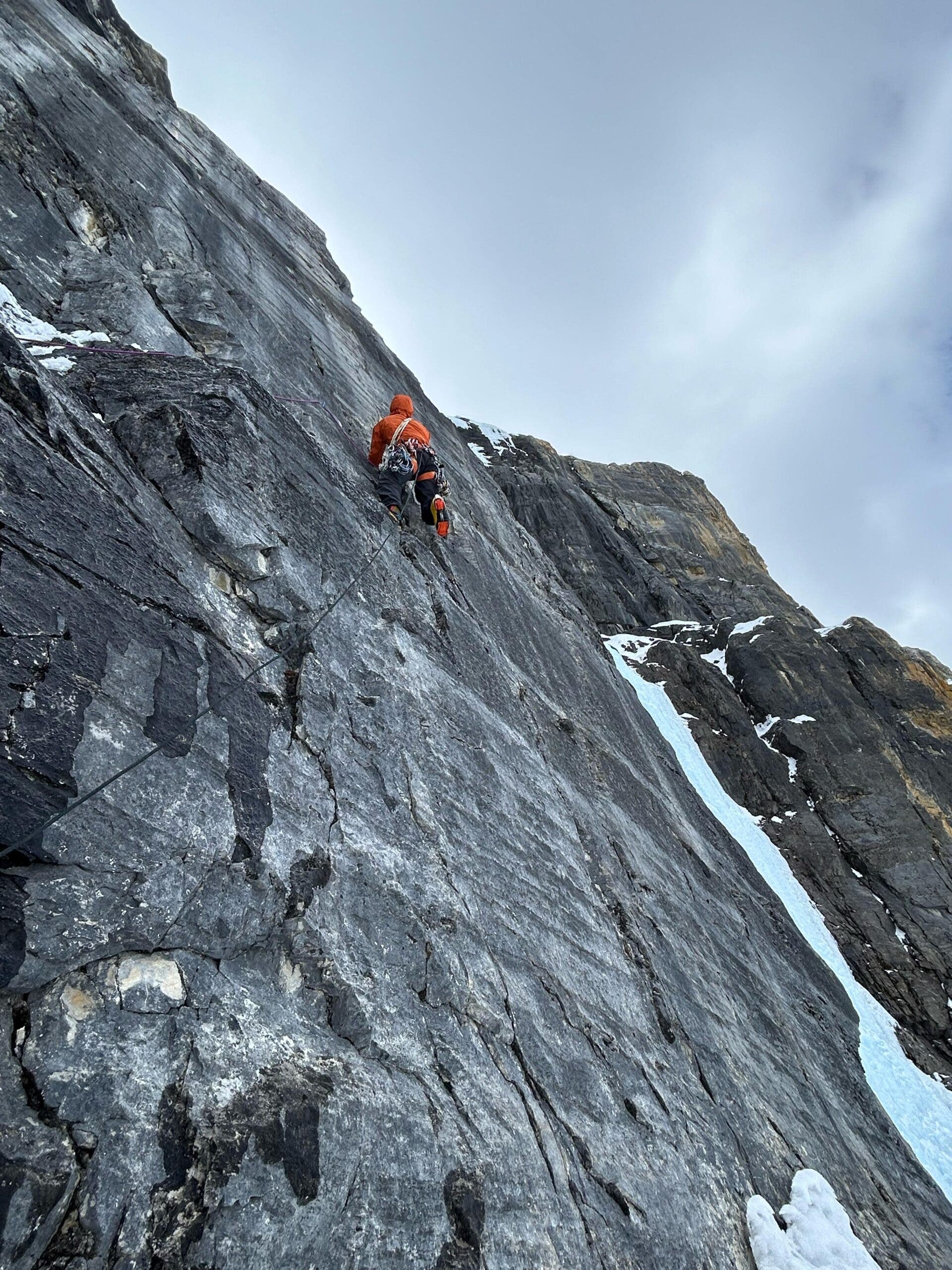
Best gloves for ice climbing
Showa Temres 282-02 Gloves
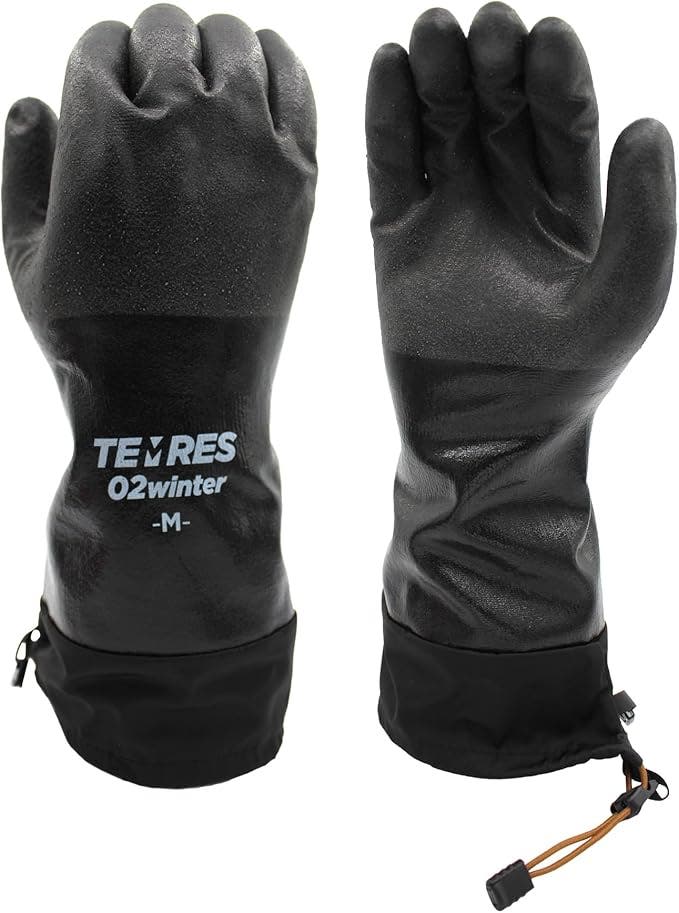
These insulated rubber gloves were originally designed for fishers, but nowadays you’re equally likely to see them on ice climbers, especially on steep water ice in the Pacific Northwest. The Temres is the only fully waterproof glove I’ve ever worn, and they climb decently well thanks to a supple, dexterous rubber, and a wool liner that doesn’t migrate much within. The Temres is not exceedingly warm, but for temps hovering around freezing (or those with excellent circulation) these are a fantastic, cheap option. Otherwise, buy a larger size and add a thin liner glove for deep-winter leads. A note on sizing: Showa gloves run small, so size one up from your typical ice glove.
Rab Fulcrum
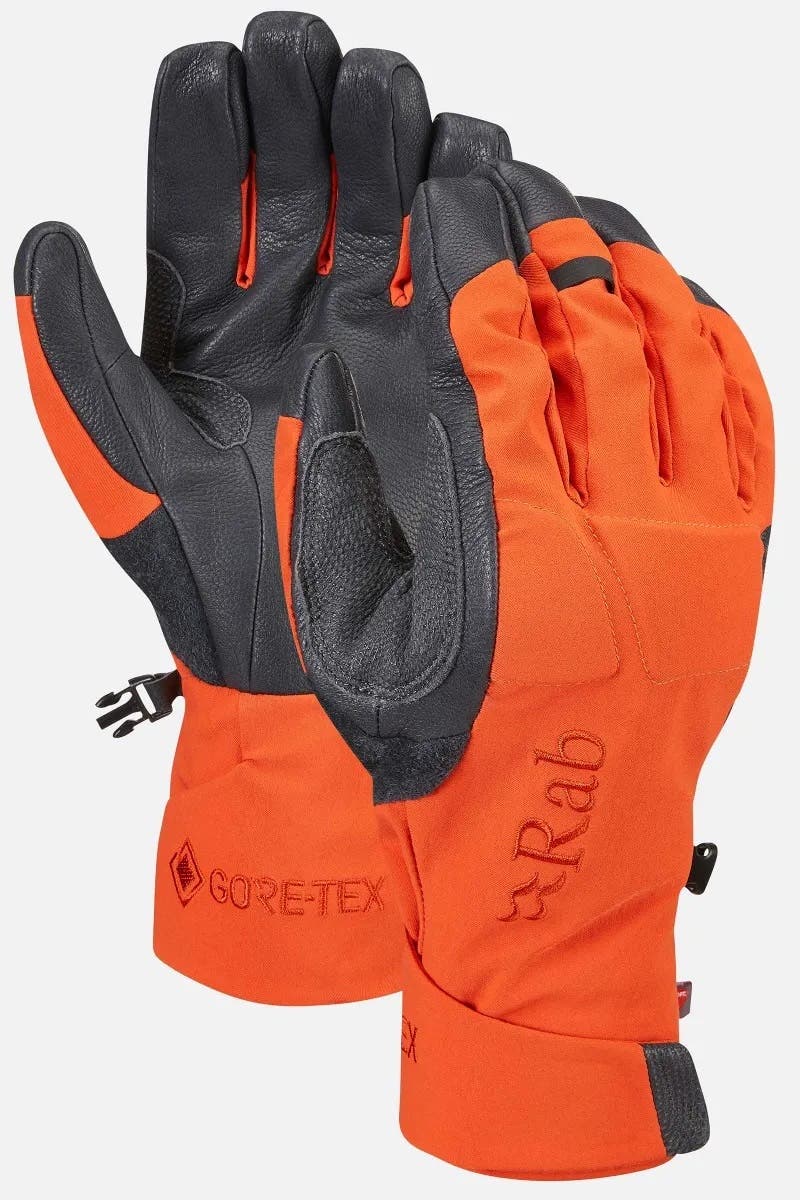
Rab’s Gore-Tex Fulcrum glove is not nearly as waterproof as the Showa Temres, but it is arguably the more comfortable winter climbing glove. It is quite warm thanks to 80g/m2 of synthetic PrimaLoft Gold insulation, yet highly dexterous thanks to pre-curved finger construction, a supple Pittard’s leather palm, and a specialty insulation which reduces the amount of slippage between the glove’s layers. Comfort is king with the Fulcrum glove: padded knuckles prevent bruises when bashing into steep ice, the thumb includes a soft “nosewipe” panel, and a Velcro cuff ensures the glove stays locked in place when hanging from your tools. The only downside: as a thicker, warmer glove, you’ll have to grip them slightly harder than you would a thinner model—and risk pumping out—on your hardest winter leads.
Best gloves for mixed climbing
Hestra Ergo Grip Active
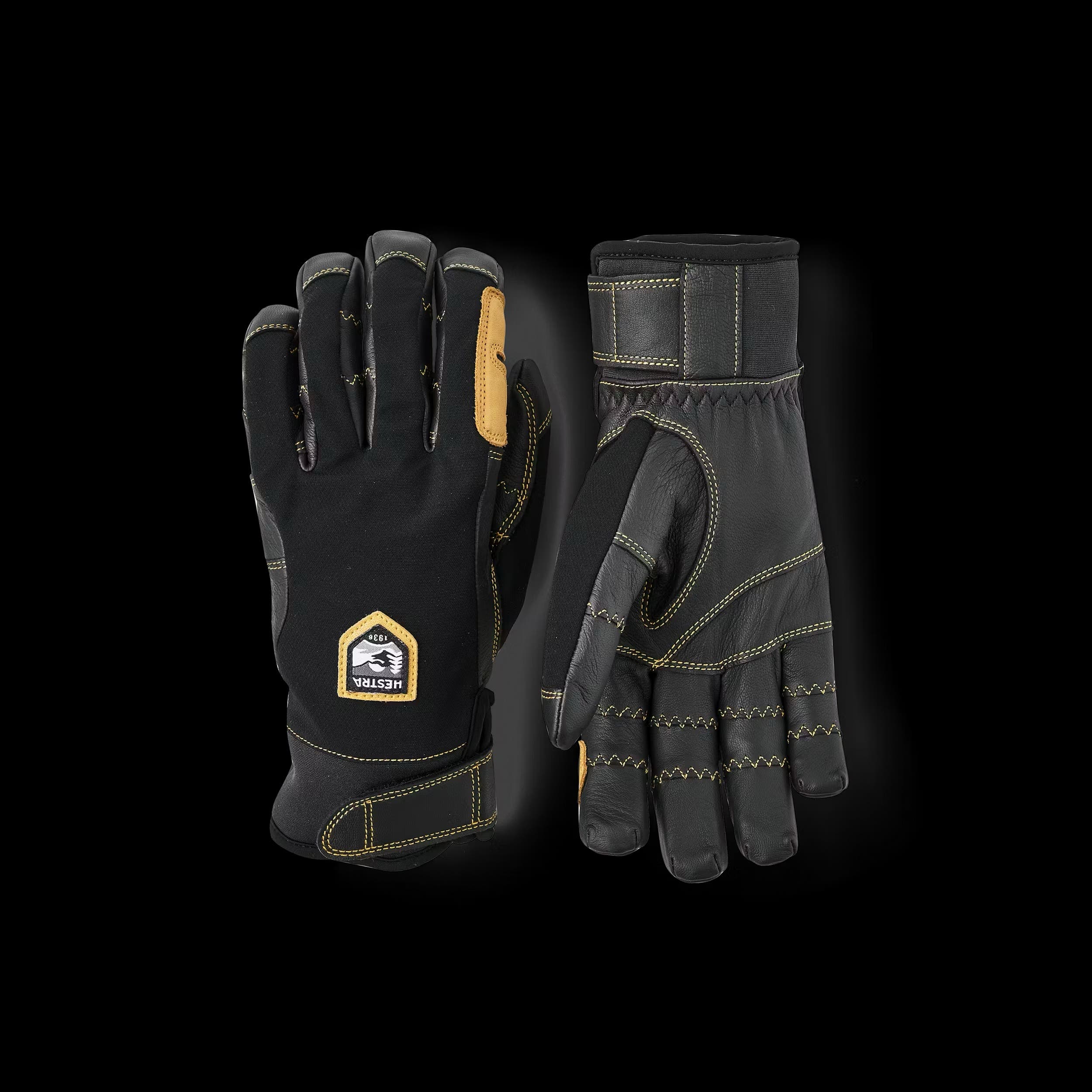
I tend to value dexterity over warmth and waterproofness when mixed climbing and drytooling, since drytooling has no soggy water ice to deal with, and mixed routes may have just a dagger to transition to. Unless your route is caked in wet snow, waterproof gloves are usually not called for—and distract you from the highest-performance gloves I’ve ever used: Hestra’s Ergo Grip Active. The glove has an excellent articulated fit, with intentionally placed seams to facilitate close-hand movements like crimping, holding an ice tool, or using a ski pole. The palm’s goatskin leather has held up well to hundreds of meters of icy rock climbing, and a fleece liner kept my hand warm in moderately cold temps. Unfortunately the Ergo Grip Active has no waterproofing to speak of (not even a DWR coating) so save this glove for dry, cold days.
Black Diamond Torque Gloves
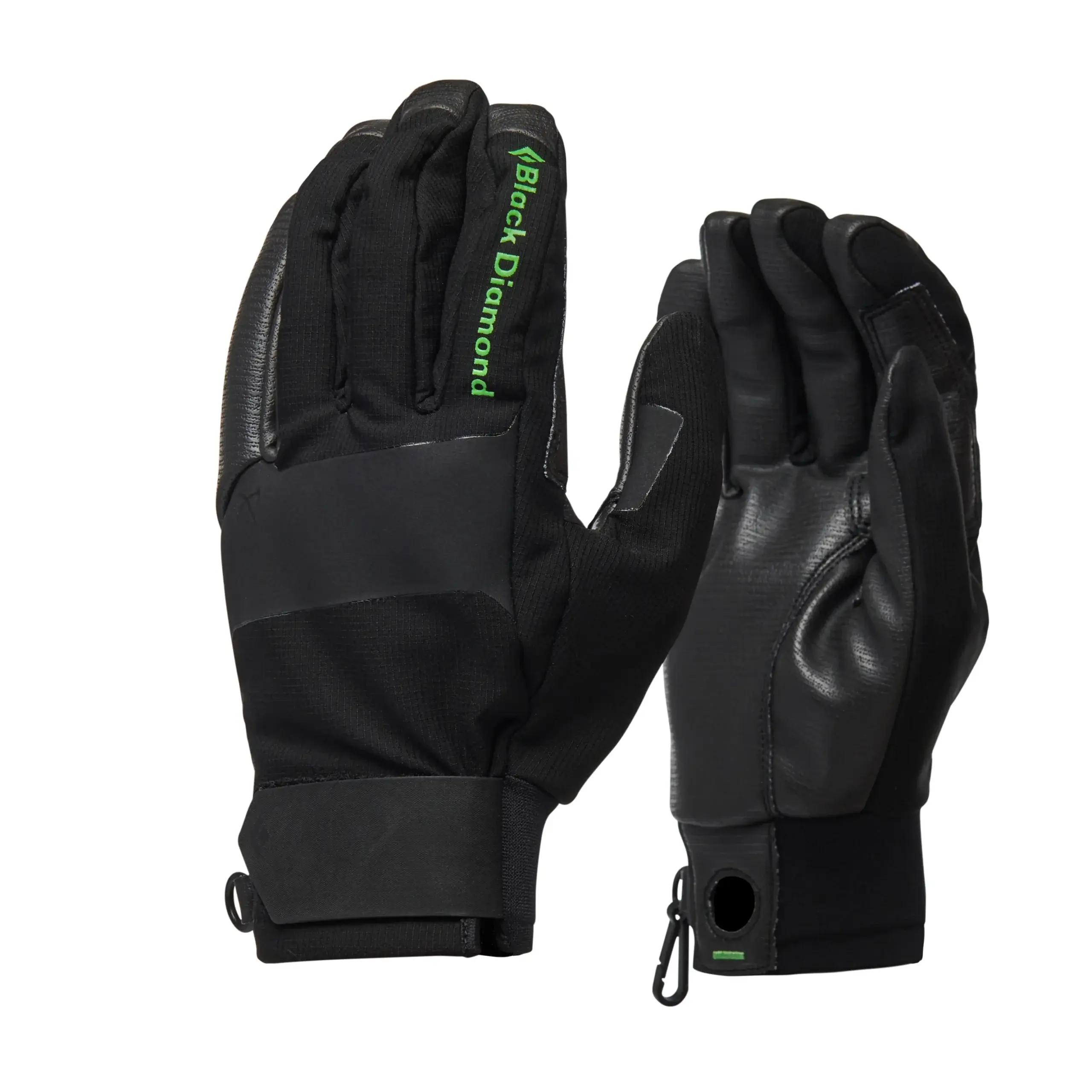
The Torque glove exists in the same category as the Ergo Grip: not super warm, but climbs challenging mixed terrain extremely well. (The Torque does have a weather-resistant finish, but it is not completely waterproof.) The Torque can hold onto an ice tool slightly better than the Ergo Grip thanks to its super-sticky palm. However, while rappelling or grabbing/jamming rock, the Torque has not proven exceptionally durable. Reach for the Torque for hard cragging days, but leave them at home when you venture into the alpine.
Best gloves for rock climbing
Outdoor Research Direct Route II
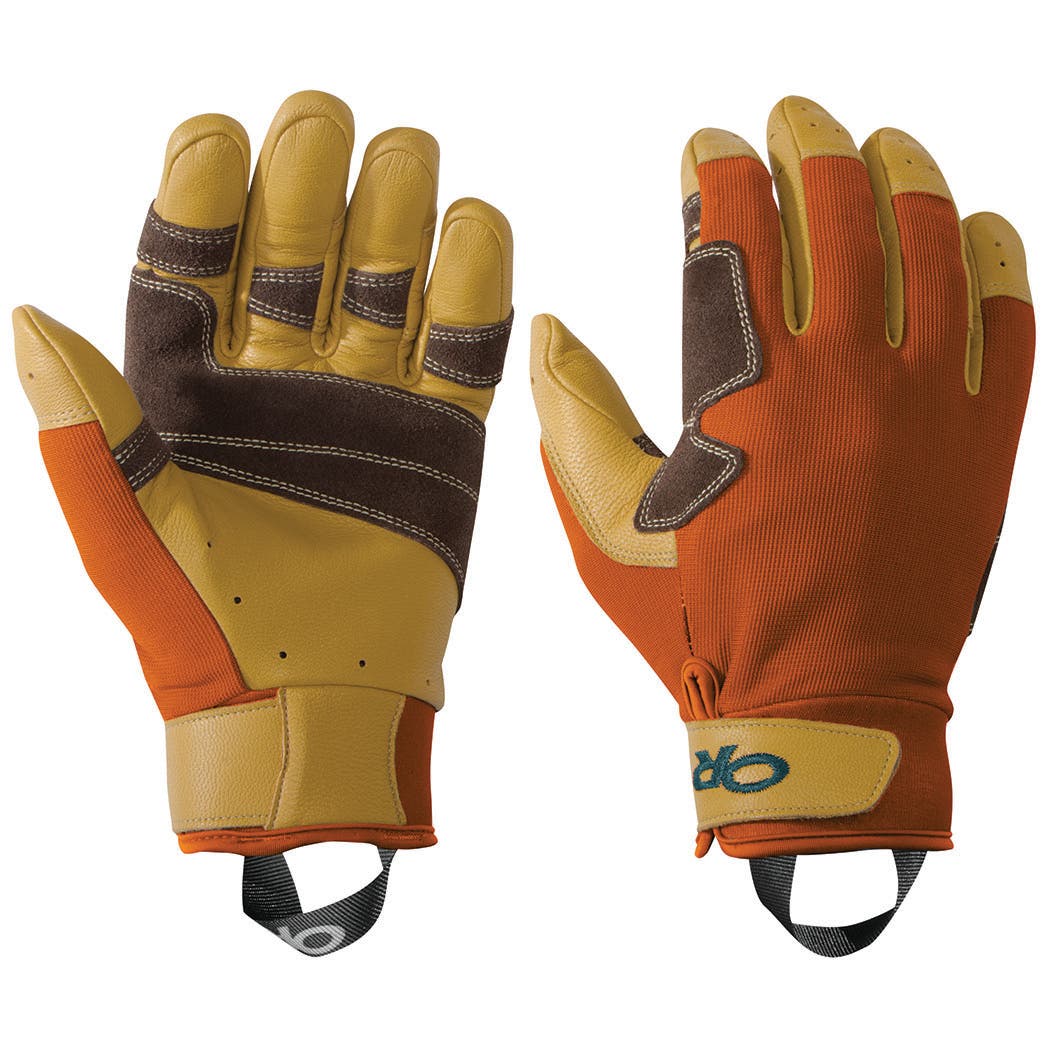
Belay gloves are a Goldilocks thing: Some are thin and supple, but wear out way too quickly; others are thick, beefy, and last forever, but make rope- and gear-handling clumsy. Climbing field tester Matt Samet found his Goldilocks pair in the Direct Route II, a hybrid leather/polyester/Spandex/knit glove that has taken up long-term residence in his crag pack. What he dug: 1) Good padding thanks to the goat-leather palms, with a cow split-suede overlay on the upper palm and base of the fingers—right where the rope runs—providing extra insulation and longevity (still going strong after months, thanks also to the Kevlar stitching). 2) The knit/Spandex backing, adding stretch and dexterity. 3) The big hook-and-loop closure wrist straps, which were easy to use and adjust. You can really feel and grip the rope while belaying, and they’ve proven invaluable for rapping and hauling, too.
Black Diamond Crag Half-Finger
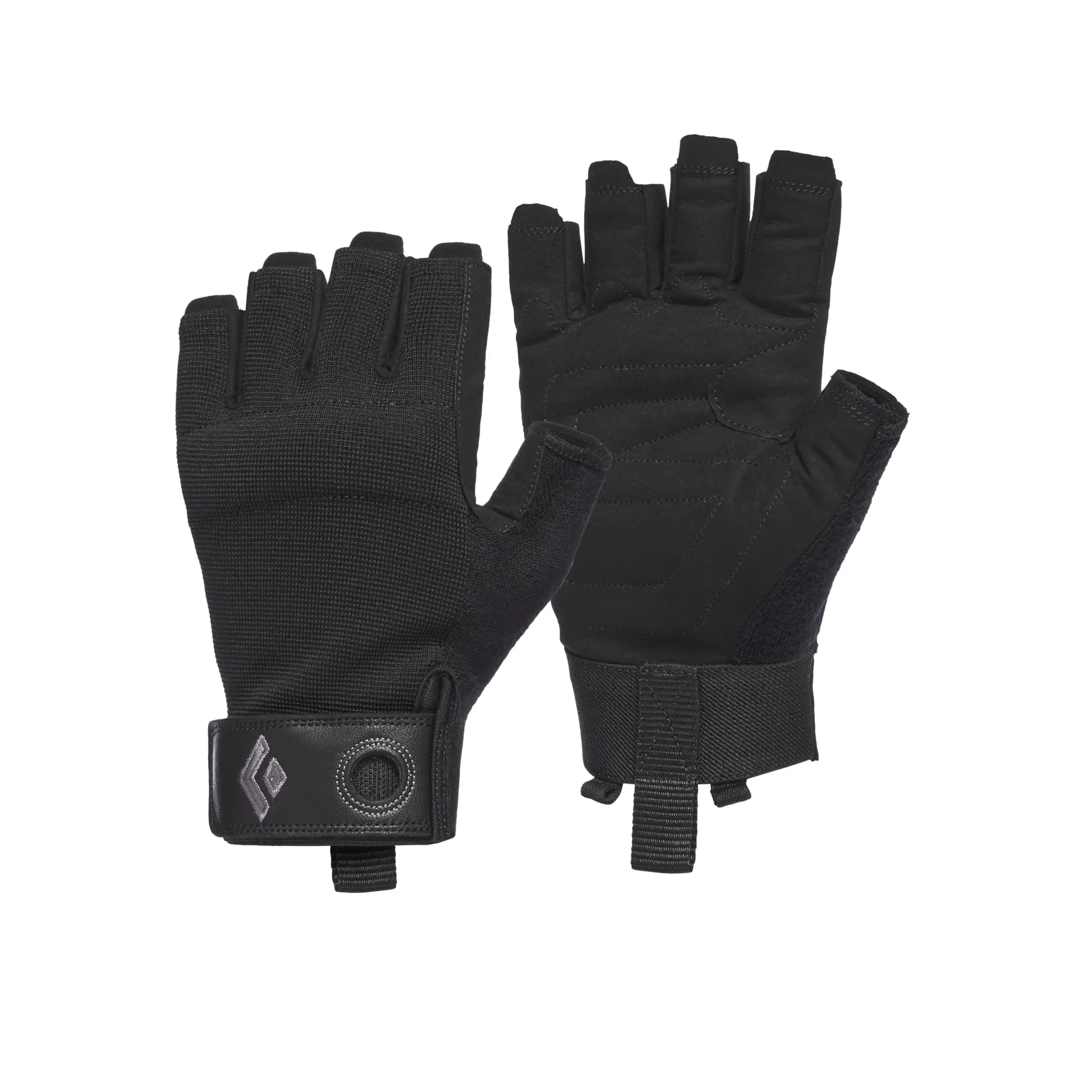
In mid-summer’s heat, a full-finger belay glove may do you more harm than good—making your tips sweat so profusely you have to chalk up just to pull your sport shoes on. Solution: half-finger gloves. These protect most of your mitts, yet leave your last digits bare. Black Diamond’s Crag Half-Finger Gloves sport synthetic leather palms, a breathable stretch mesh fabric, knuckle padding, and a carabiner clip.
G7 Hand Jam (Crack Climbing Glove)
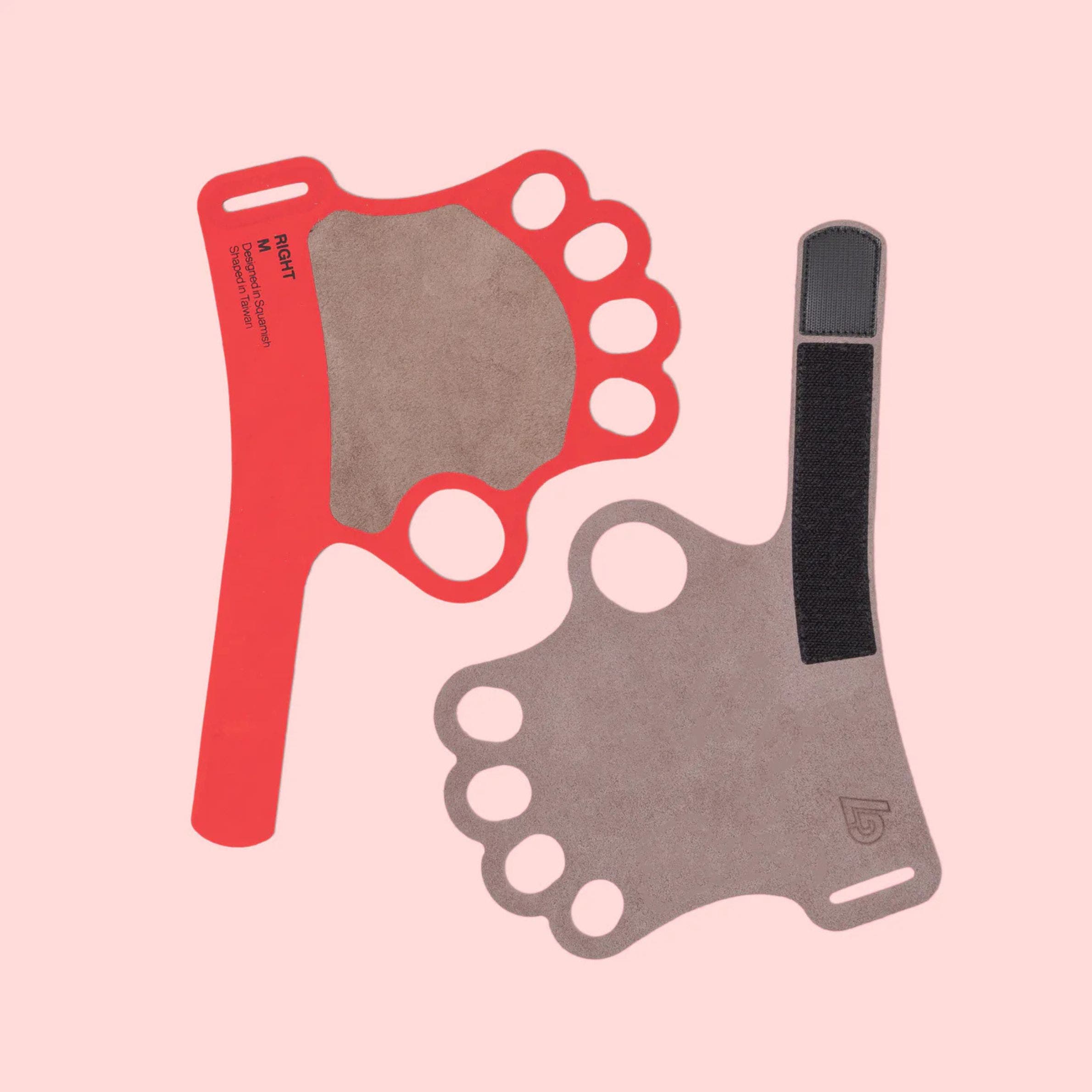
Crack gloves, or ”hand jammies” as they’re lovingly called, were once a scoffed-at piece of gear for how they prevented cuts and scrapes on the backs of climbers’ hands. But now, like sticky rubber climbing shoes and dynamic ropes, most folks realize that climbing is simply more fun with a crack glove in tow. They’ve since become ubiquitous among first-time climbers and the world’s strongest alike. The Hand Jam isn’t the cheapest on the market, but it is the most durable I’ve yet to use, and its low profile stays unnoticed during arete-slapping and sloper sequences. In a hard-wearing discipline like crack climbing, that durability pays off in the long run.
Best for winter belaying
Camp Geko Revel Glove

The Camp Geko Revel is one of the rare winter gloves which offers warmth, dexterity, and durability. One gear tester and guide used his pair everywhere from Alaska’s Chugach State Park to the Cordillera Blanca in Peru and was surprised to find that these climbing gloves worked for just about everything. Thank the waterproof membrane, minimalist fleece liner, and extremely precise fit. The fingers and palm are delicately contoured to hold the glove in place without slipping. That means you don’t have to size down—and risk restricting blood flow—to get a glove you can feel the world through. The Geko Revel’s lack of lateral finger seams eliminates a common wear point, and the all-goatskin-leather construction means they’re aging well. “These gloves feel like fancy, world-class Italian leather shoes, but for your hands,” one tester said.
Black Diamond Alpine 3-Finger Mitts

Most ice climbers gravitate toward chunky mittens for deep-winter belays. And though mittens are certainly warm, they are also a nightmare for belaying and rope work. Lately, I’ve been using Black Diamond’s Alpine 3-Finger “mitts” when temps dip below -15°F; they provide (nearly) the same amount of warmth as a traditional mitten, yet can easily tie knots, clean ice screws, and catch whippers.
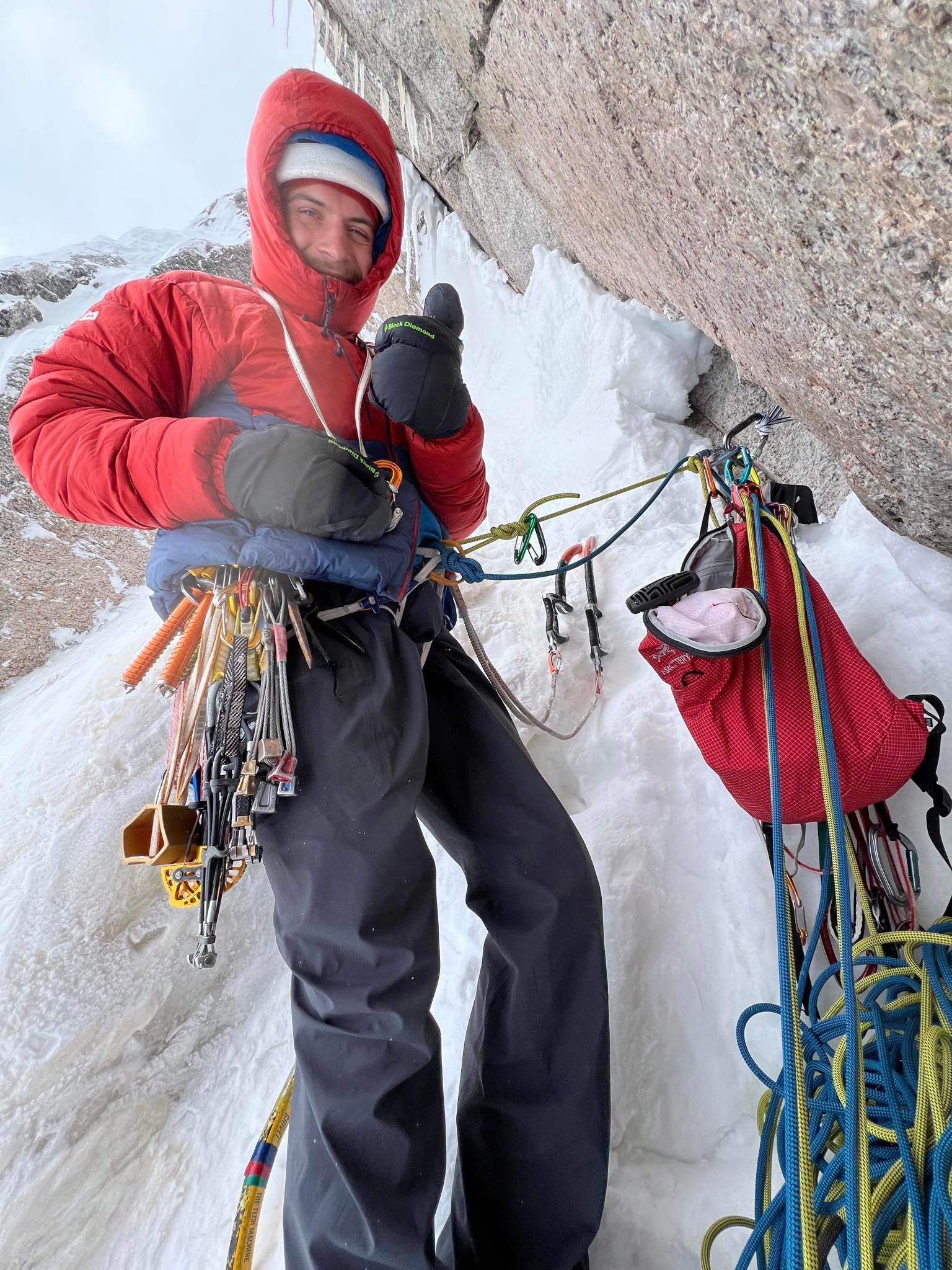
The first time I used the Alpine 3-Finger was during an attempt of the Big Hose (WI4 M5; 300m) on the South Howser Tower, Bugaboos. Pre-dawn, I broke deep trail across the bergschrund wearing them, the 3-Finger’s thick back-of-hand insulation and waterproof insert keeping my hands warm and dry. At the start of the technical climbing—a pitch I had climbed before and knew to be M4—I decided to keep the mitts on since the air felt much colder than forecast. Arriving at the belay, totally impressed with the 3-Finger’s supple dexterity and warmth, I decided to climb the next pitch—one of the route’s cruxes—wearing them too. The 3-Finger had no issue gripping my ice tool’s ergonomic handle, but placing cams in the snowed-up chimney was slightly challenging. Luckily, (is “luckily” the right word?) the pitch was quite runout, and I didn’t have to deal with many gear placements at all.
At least my hands stayed warm!
